How Do AI Influencers Make Money? The Complete Revenue Breakdown
Discover exactly how AI influencers like Lil Miquela and Aitana Lopez earn millions. Learn the 7 proven monetization strategies behind virtual influencer empires.

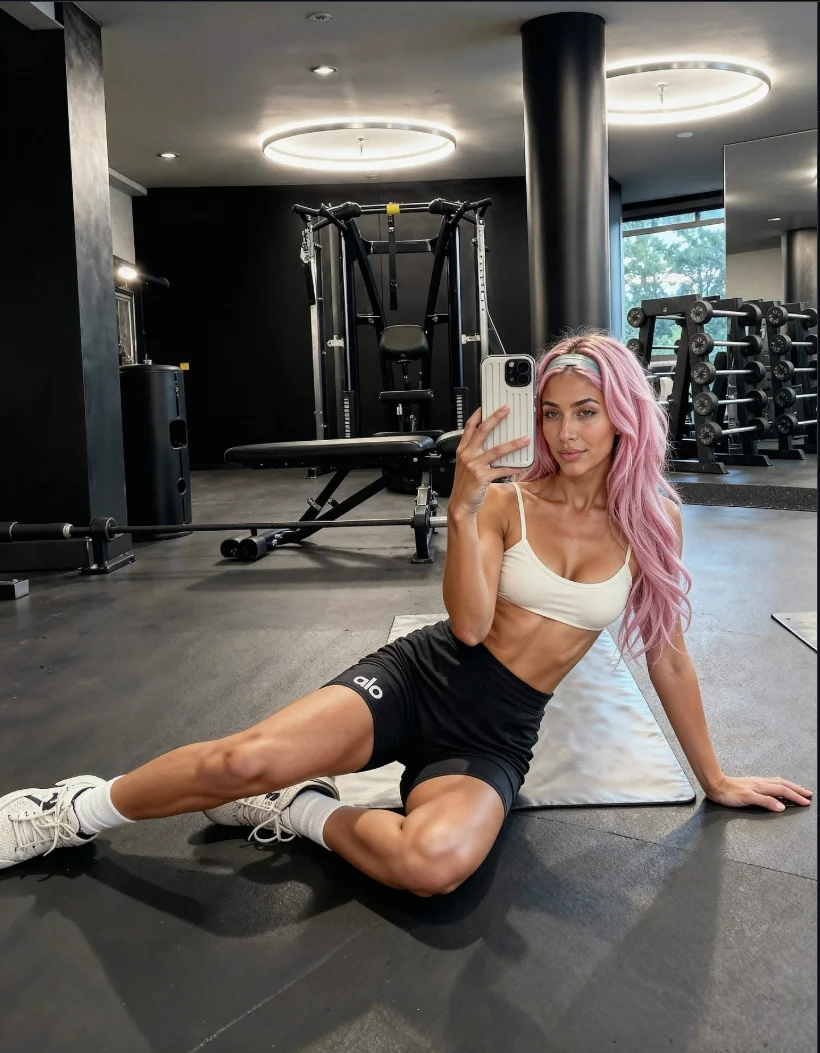
In 2024, Aitana Lopez—a pink-haired Spanish model—earned over €10,000 per month from brand deals, sponsored posts, and advertising campaigns. She's worked with major fashion and beauty brands, graced magazine covers, and built a loyal following of over 300,000 on Instagram.
There's just one catch: Aitana doesn't exist. She's entirely AI-generated.
Welcome to the new frontier of influencer marketing, where virtual personalities are commanding real money, working with real brands, and building audiences that rival their human counterparts.
If you've ever wondered how pixels on a screen can generate six or seven-figure incomes, you're not alone. The AI influencer economy is booming, and understanding how these digital creators monetize is crucial whether you're a marketer, brand owner, or aspiring creator yourself.
In this guide, we'll break down exactly how AI influencers make money, the business models behind the biggest virtual stars, and what this means for the future of digital marketing.
What Are AI Influencers?
Before diving into the money, let's clarify what we're talking about.
AI influencers (also called virtual influencers or CGI influencers) are computer-generated characters designed to look and act like real people on social media. They have:
- Carefully crafted personas: Backstories, personalities, and opinions
- Realistic or stylized appearances: Created using 3D modeling, AI generation, or CGI
- Active social media presences: Regular posts, stories, and engagement
- Human teams behind them: Creators, writers, designers, and strategists
The key distinction: while the "person" is fictional, the business behind them is very real—and very profitable.
Notable AI Influencers:
| Name | Platform | Followers | Known For |
|---|---|---|---|
| Lil Miquela | 2.6M+ | Fashion, music, activism | |
| Imma | 400K+ | Japanese fashion, art collaborations | |
| Shudu | 240K+ | World's first digital supermodel | |
| Aitana Lopez | 300K+ | Spanish fitness model, brand deals | |
| Noonoouri | 400K+ | High fashion, sustainability advocacy | |
| Lu do Magalu | 6M+ | Brazilian retail, brand mascot |
These aren't niche experiments—they're legitimate business operations generating substantial revenue.
The 7 Ways AI Influencers Make Money
AI influencers monetize through many of the same channels as human influencers, plus some unique advantages their digital nature provides. Here's the complete breakdown:
1. Brand Sponsorships and Partnerships
The biggest revenue stream by far.
Just like human influencers, AI influencers get paid by brands to promote products, services, or campaigns. The difference? Brands often prefer AI influencers for several reasons:
Why brands pay AI influencers:
- Zero scandal risk: AI influencers don't have bad days, say controversial things, or get caught in embarrassing situations
- Complete creative control: Brands can dictate exactly how their product is shown
- 24/7 availability: No scheduling conflicts, no contract negotiations, no competing brand deals
- Consistent aesthetic: The look never changes unexpectedly
- Novelty factor: Being associated with cutting-edge technology signals innovation
Real examples:
- Lil Miquela has partnered with Prada, Calvin Klein, Samsung, and BMW
- Shudu has worked with Balmain, Fenty Beauty, and Ellesse
- Imma has collaborated with IKEA, Porsche, and Valentino
- Aitana Lopez works with fitness brands, fashion labels, and beauty companies
The rates:
AI influencer sponsorship rates vary widely, but here's what the industry reports:
| Follower Count | Estimated Rate Per Post |
|---|---|
| 50K-100K | $1,000 - $5,000 |
| 100K-500K | $5,000 - $25,000 |
| 500K-1M | $25,000 - $75,000 |
| 1M+ | $75,000 - $250,000+ |
Top-tier AI influencers like Lil Miquela reportedly command rates similar to A-list human influencers—potentially $8,000 to $10,000+ per sponsored Instagram post.
2. Advertising Campaigns and Creative Licensing
Beyond social media posts, AI influencers appear in:
- Television commercials
- Billboard advertisements
- Print magazine features
- Digital banner ads
- Retail store displays
When a brand licenses an AI influencer for a major campaign, the fees escalate significantly. A multi-channel advertising campaign featuring a top AI influencer can cost brands $100,000 to $500,000+.
Case study: Renault x Liv
French automaker Renault created their own AI influencer, "Liv," specifically for a car advertising campaign. The campaign generated significant buzz and engagement—demonstrating that even brands without existing AI influencers are willing to invest heavily in virtual personas for marketing purposes.
The business model:
AI influencer creators earn money through:
- Flat campaign fees: One-time payment for campaign usage
- Licensing deals: Ongoing fees for continued usage rights
- Exclusivity premiums: Extra payment to keep competitors away
- Usage extensions: Additional fees when campaigns expand to new markets or platforms
3. Content Creation for Brands
Some brands hire AI influencers not for their audience, but for their aesthetic.
Instead of paying a human model, photographer, stylist, hair/makeup artist, studio rental, and post-production team, brands can commission AI influencer creators to produce entire content libraries.
What this looks like:
- Product photography featuring the AI influencer
- Social media content for the brand's own channels
- Website imagery and banner ads
- Email marketing visuals
- Packaging design features
The cost savings:
A traditional photoshoot with a human model can cost $10,000-$50,000+ when you factor in all the people and logistics involved. AI influencer content creation can achieve similar results for a fraction of the cost, while offering unlimited revisions and variations.
Who does this:
Fashion brands, beauty companies, and lifestyle products are the primary buyers. They get high-quality, on-brand content without the complexity of traditional production.
Content Strategy for AI Influencers:
Just like human influencers, AI influencers need a consistent content strategy. Our 30-day social media content calendar provides a framework you can adapt for your virtual creator—balancing product showcases, behind-the-scenes content, education, and engagement.
4. Merchandise and Product Lines
Just like human influencers, AI influencers can sell their own products.
Types of merchandise:
- Apparel: T-shirts, hoodies, accessories featuring the AI influencer's image
- Digital products: Filters, wallpapers, stickers, NFTs
- Collaborations: Limited edition products co-created with brands
- Music: Yes, AI influencers release music (Lil Miquela has actual songs on Spotify)
Lil Miquela's music career:
Lil Miquela has released multiple singles including "Not Mine," "Hard Feelings," and "Money." These songs stream on Spotify, Apple Music, and other platforms—generating real royalty income. The songs are written and produced by human musicians, but released under the AI character's name.
NFTs and digital collectibles:
Several AI influencers have released NFT collections, turning their digital nature into a selling point. While the NFT market has cooled, early collections generated substantial revenue—Lil Miquela's NFT sold for $82,000.
5. Subscription and Exclusive Content
The creator economy model applies to AI influencers too.
Platforms and models:
- Patreon-style subscriptions: Behind-the-scenes content, early access, exclusive posts
- Fan clubs: Monthly memberships with perks
- Private communities: Discord servers, exclusive groups
- Premium content: Extended content, alternative versions, bonus material
Why fans pay:
This might seem strange—why would people pay for exclusive content from someone who isn't real? The answer lies in storytelling and community. AI influencers with rich narratives and engaged fan bases cultivate genuine connections. Fans want to be part of the story, access exclusive content, and feel closer to the character.
Revenue potential:
Even with modest subscription numbers, recurring revenue adds up:
- 1,000 subscribers at $5/month = $5,000/month = $60,000/year
- 5,000 subscribers at $10/month = $50,000/month = $600,000/year
6. Appearance Fees and Events
AI influencers can "appear" at events in various ways:
Physical appearances:
- AR/VR experiences: Virtual meet-and-greets using augmented reality
- Hologram performances: Stage appearances using holographic technology
- Interactive installations: Brand activations where audiences interact with the character
- Convention panels: Voice actors or creators representing the character
Digital appearances:
- Virtual events: Metaverse appearances, virtual fashion shows
- Livestreams: Interactive sessions with fan engagement
- Gaming integrations: Characters appearing in video games or virtual worlds
- Virtual concerts: Musical performances in digital spaces
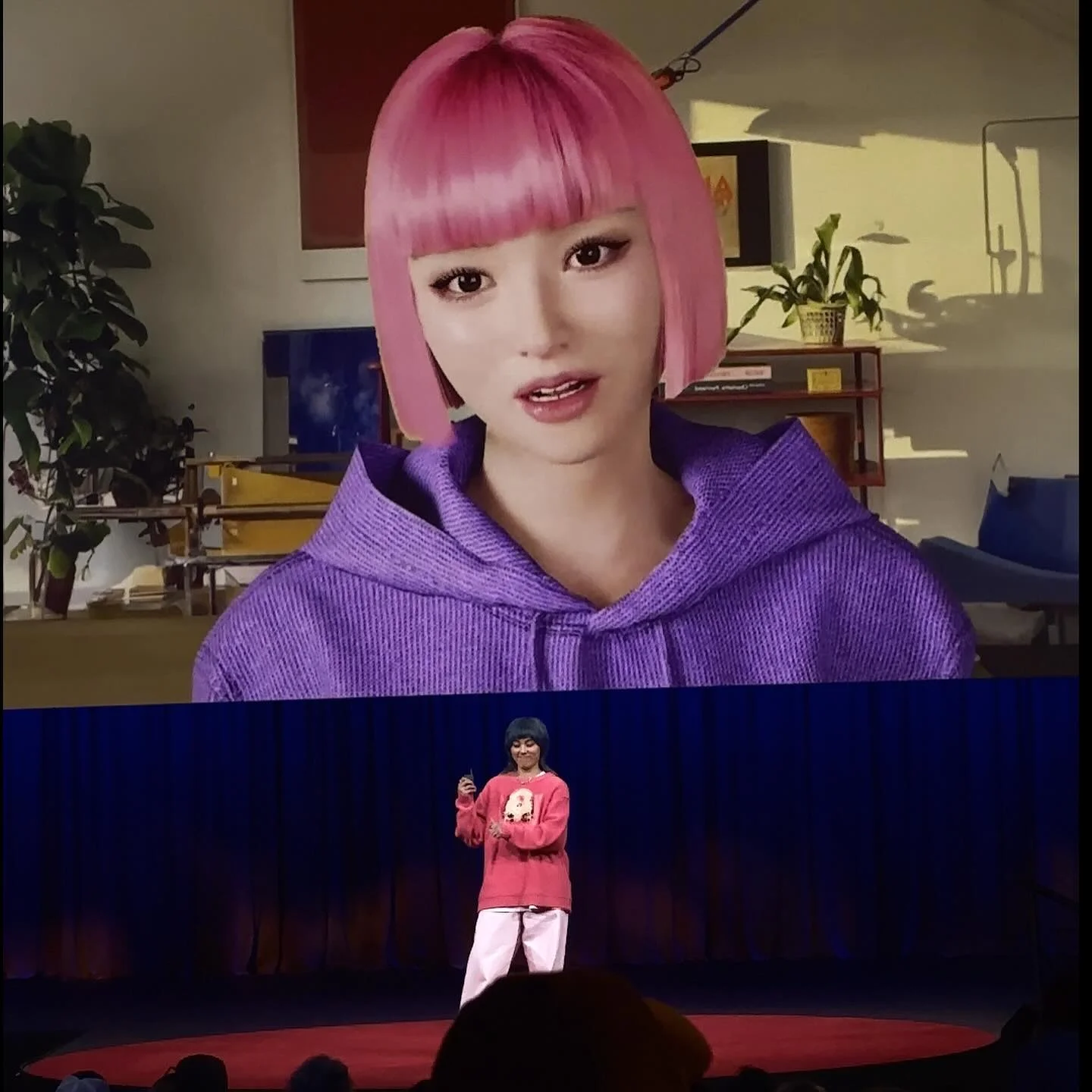
Example: Imma at IKEA
Japanese AI influencer Imma was featured in an IKEA installation in Tokyo where she "lived" in a virtual room displayed in the store window. This blurred the lines between advertising and art installation—and generated massive foot traffic and social media buzz.
7. IP Licensing and Media Rights
The most scalable revenue stream: licensing the AI influencer as intellectual property.
What gets licensed:
- Character rights: Other companies pay to use the character
- Story rights: Media companies option the character for shows, movies, books
- Gaming rights: Video game companies license characters for their games
- Metaverse rights: Virtual world platforms pay for character presence
The big picture:
When an AI influencer becomes a recognizable brand, their value extends far beyond social media. The character becomes IP that can be monetized across entertainment, gaming, retail, and emerging platforms.
Brud's valuation:
Brud, the company behind Lil Miquela, was valued at over $125 million. This valuation wasn't just for one Instagram account—it reflected the IP value of their virtual characters and the technology platform behind them.
The Business Model Behind AI Influencers
Understanding how AI influencers make money requires understanding who actually runs them.
The Typical Structure
Most successful AI influencers are created and operated by:
- Creative agencies: Studios specializing in virtual character creation
- Tech startups: Companies building platforms for AI influencer management
- Brand in-house teams: Major companies creating proprietary virtual mascots
- Individual creators: Artists and entrepreneurs building characters independently
The Team Behind an AI Influencer
Creating and running a successful AI influencer requires multiple skills:
| Role | Responsibility |
|---|---|
| 3D Artists/AI Specialists | Create and render the visual character |
| Writers | Develop personality, captions, storylines |
| Social Media Managers | Post content, engage with followers |
| Business Development | Secure brand deals and partnerships |
| Strategists | Plan content calendars, campaigns, growth |
| Voice Actors (sometimes) | Provide voice for videos, interviews |
Profit Margins
The economics of AI influencers are compelling:
Ongoing costs:
- Content creation: $2,000-$20,000/month depending on output and quality
- Social media management: $2,000-$10,000/month
- Strategy and business development: $5,000-$20,000/month
Revenue potential:
- 2-4 brand deals per month: $20,000-$100,000+
- Advertising campaigns: $50,000-$500,000 per campaign
- Licensing and merchandise: Highly variable
The math works because fixed costs remain relatively stable while revenue scales with audience size and brand demand. Unlike human influencers, AI influencers don't take 50-80% of the revenue for themselves—the entire profit goes to the operating company.
Real Case Studies: AI Influencer Income Breakdown
Case Study 1: Aitana Lopez
Background: Created by The Clueless, a Spanish agency, in 2023. Positioned as a 25-year-old pink-haired fitness enthusiast from Barcelona.
Revenue streams:
- Brand partnerships with fashion and fitness companies
- Advertising campaigns
- Content licensing
Reported earnings: €3,000-€10,000 per month from brand deals alone, with potential for significantly more from larger campaigns.
Why she works: Aitana fills a gap in the Spanish influencer market. She's reliable, controllable, and available—qualities that make her attractive to brands looking for consistent partnerships.

Case Study 2: Lil Miquela
Background: Created by Brud in 2016. Positioned as a 19-year-old Brazilian-American model and musician living in LA.
Revenue streams:
- Major brand partnerships (Prada, Calvin Klein, Samsung)
- Music streaming royalties
- NFT sales ($82,000 single sale)
- Media rights and appearances
- Merchandise
Reported company valuation: Brud raised over $125 million in funding, valuing their virtual influencer portfolio in the hundreds of millions.
Why she works: Lil Miquela pioneered the virtual influencer space and built genuine cultural cachet. She's been featured in Time's "25 Most Influential People on the Internet" and has crossed over into music and entertainment.
Case Study 3: Lu do Magalu
Background: Created by Magazine Luiza, Brazil's largest retail chain, in 2003 (making her one of the first virtual influencers). Now has over 6 million Instagram followers.
Revenue streams:
- Direct retail promotion (she's a brand mascot driving actual sales)
- Brand extension deals
- Advertising campaigns
- Content licensing to other brands
Unique model: Unlike independent AI influencers, Lu was created specifically to drive retail sales for her parent company. She promotes products, explains features, and builds customer relationships—essentially a virtual sales associate at massive scale.
Why she works: Lu demonstrates that AI influencers don't have to be "influencers" in the traditional sense—they can be directly integrated into business operations.
The Advantages AI Influencers Have Over Human Influencers
Understanding why brands pay AI influencers requires understanding their unique advantages:
For Brands
| Advantage | Explanation |
|---|---|
| No scandals | AI influencers can't say something controversial or get caught in compromising situations |
| Complete control | Every word, image, and action can be precisely managed |
| Infinite availability | No scheduling conflicts, time zones, or personal commitments |
| Consistent aesthetic | Appearance never changes (aging, weight, style shifts) |
| No competing deals | Unless the creators allow it, no conflicting brand partnerships |
| Lower long-term costs | No per-appearance fees, travel costs, or renegotiated contracts |
| Innovation signaling | Working with AI influencers positions brands as forward-thinking |
For Creators/Operators
| Advantage | Explanation |
|---|---|
| Retain all revenue | No talent taking 50-80% of earnings |
| Scalable operations | Can run multiple AI influencers simultaneously |
| Immortal assets | Characters never retire, age out, or leave for competitors |
| Platform flexibility | Same character can exist across social, gaming, metaverse |
| Full IP ownership | Character value accrues to the company, not an individual |
Challenges and Controversies
The AI influencer industry isn't without its problems:
Authenticity Concerns
Critics argue that AI influencers are fundamentally deceptive—they present as real people while being corporate-controlled fabrications. Some platforms have started requiring disclosure of AI-generated content.
Representation Issues
Early AI influencers were criticized for appropriating cultures and identities. Shudu, for example, faced backlash as a Black digital model created by a white photographer—raising questions about who profits from diverse representation.
Transparency Debates
Should AI influencers be required to clearly label themselves as artificial? Different countries and platforms are grappling with this question, and regulations are evolving.
Impact on Human Creators
As brands increasingly turn to AI influencers, human influencers and models face new competition. Some argue this could depress rates and opportunities for real people.
The Future of AI Influencer Monetization
The AI influencer economy is still in its early stages. Here's what's coming:
Emerging Revenue Streams
- Metaverse integration: AI influencers as guides, companions, and hosts in virtual worlds
- Interactive experiences: Personalized conversations with AI influencers using chatbot technology
- Virtual shopping assistants: AI influencers recommending products based on user preferences
- Gaming presence: Characters appearing as NPCs or playable characters in games
- Voice assistant integration: AI influencer personalities powering voice assistants
Technology Evolution
As AI image generation, voice synthesis, and real-time rendering improve, creating AI influencers will become faster and cheaper. This will:
- Lower barriers to entry for new creators
- Increase competition in the space
- Drive innovation in monetization models
- Enable smaller brands to create their own virtual mascots
Market Growth
Industry analysts project the virtual influencer market will grow from approximately $4.6 billion in 2023 to over $37 billion by 2030. That's an 8x increase in seven years.
How to Get Started with AI Influencers
Whether you're a brand looking to work with AI influencers or an entrepreneur wanting to create one, here are your next steps:
For Brands
- Identify your goals: What do you want an AI influencer partnership to achieve?
- Research existing AI influencers: Find ones that match your brand aesthetic and values
- Reach out to their management: Most have clear contact information for partnerships
- Consider creating your own: For larger brands, a proprietary AI character may make sense
For Creators
- Define your character: Who are they? What's their story? What makes them unique?
- Choose your technology: 3D modeling, AI generation, or hybrid approaches
- Build your team: You'll need artists, writers, and social media expertise
- Start small: Build an audience before pursuing brand deals
- Focus on engagement: An engaged 50K following is worth more than a passive 500K
- Plan your content: Use our 30-day social media content calendar to plan consistent, engaging posts that balance promotion with value
- Avoid common mistakes: Learn from Pinterest marketing mistakes that apply to all social platforms—consistency, optimization, and analytics matter for AI influencers too
Frequently Asked Questions
How much do AI influencers make per post?
Top AI influencers can earn $5,000 to $10,000+ per sponsored post, with mega-influencers like Lil Miquela potentially commanding even higher rates. Smaller AI influencers with 50K-100K followers typically earn $1,000-$5,000 per sponsored post.
Are AI influencers actually profitable?
Yes, successful AI influencers are highly profitable. Unlike human influencers who take a majority of earnings, AI influencer operators keep all revenue. With monthly brand deals ranging from $10,000-$100,000+ and operating costs of $10,000-$50,000/month, the profit margins can be substantial.
Who controls the money AI influencers make?
The company or individual that created and operates the AI influencer controls all revenue. This is typically a creative agency, tech startup, or brand. There's no "talent" to share revenue with—the character is an asset owned entirely by its creators.
Can anyone create an AI influencer?
Technically yes, but success requires significant investment in 3D art/AI generation skills, compelling character development, consistent content creation, and social media marketing expertise. The barrier to entry is lowering as AI tools improve, but building a monetizable AI influencer still requires substantial effort.
Is it legal to create AI influencers?
Creating AI influencers is legal, but operators must navigate emerging regulations around AI disclosure, likeness rights (if basing characters on real people), and advertising transparency. Different countries have varying requirements, and the regulatory landscape is evolving.
Do AI influencers pay taxes?
AI influencers don't pay taxes—but their operators do. Revenue generated by AI influencers is taxable income for the companies or individuals who run them, just like any other business income.
The Bottom Line
AI influencers make money through the same fundamental channels as human influencers—brand partnerships, advertising, content creation, merchandise, and IP licensing—but with unique advantages that make them increasingly attractive to brands.
The key revenue streams are:
- Brand sponsorships and partnerships (primary income)
- Advertising campaigns and licensing
- Content creation for brands
- Merchandise and product lines
- Subscription and exclusive content
- Appearance fees and events
- IP licensing and media rights
The business model works because AI influencers offer brands something human influencers can't: complete control, zero scandal risk, infinite availability, and consistent aesthetics—all while the operating companies retain 100% of the revenue.
Whether you're a marketer evaluating AI influencers for campaigns, a brand considering creating your own virtual mascot, or an entrepreneur exploring this emerging space, understanding these monetization mechanisms is essential.
The AI influencer economy is here to stay—and it's just getting started.
Last Updated: January 14, 2026 Category: AI Marketing Reading Time: 12 minutes